
Why Sunshine Coast UV is the Number One Threat to Your Interior Investment (And How to Avoid Damage)
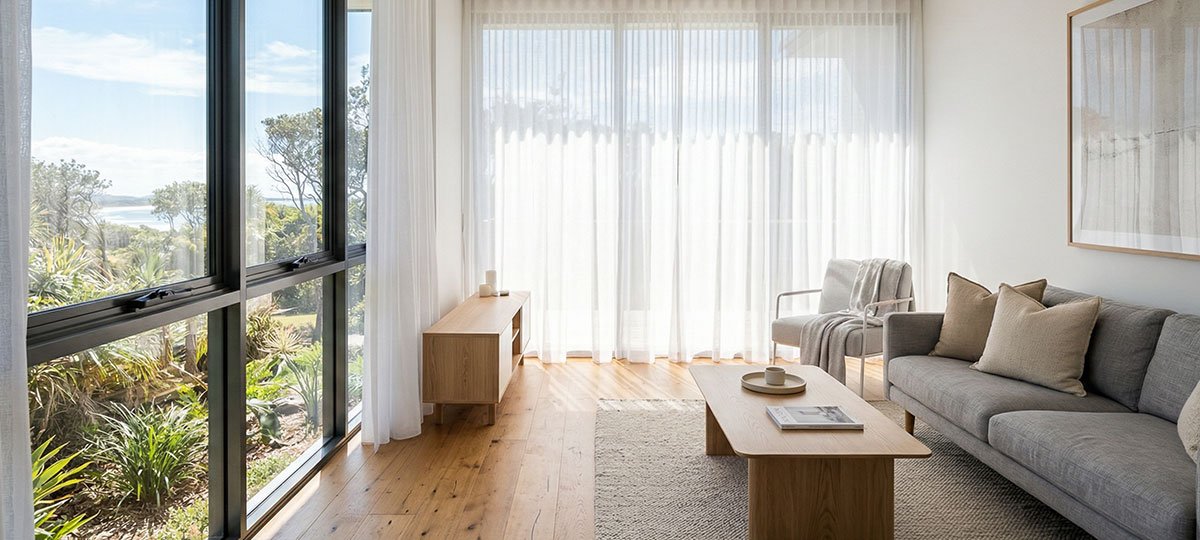
The vibrant daylight that defines the Sunshine Coast is a double-edged sword.
While it makes coastal interiors feel expansive, that same relentless UV index is silently bleaching your timber floors, fading your leather lounges, and brittle-ing the fibers of your custom cabinetry.
For many homeowners, the realisation only hits when they move a rug to find a ghost of the original floor color underneath.
At Coverings Sunshine Coast, we view window furnishings as the first line of defense for your interior investment. High-performance drapery does more than just soften a room; it acts as a sophisticated light-filter that shields delicate surfaces from the cumulative damage of 300+ days of annual sun.
👉 Explore tailored solutions with Coverings Sunshine Coast’s custom curtains
Whether you’re outfitting a beachfront apartment or a hinterland retreat, understanding the science of sun protection ensures your interiors stay as vibrant as the day they were installed.
|
Sunlight Control with Elegant Window Coverings
Curtains are one of the most widely chosen solutions for Sunshine Coast homes thanks to their ability to soften incoming light while maintaining a welcoming atmosphere.
This works by filtering ultraviolet radiation before rays reach furniture, flooring, and decorative elements. Continuous exposure to intense daylight can slowly fade upholstery, dry timber finishes, and weaken textile fibres.
Fabric window coverings act as a protective barrier that reduces exposure while still allowing pleasant ambient light to enter a room.
Different materials also offer varying levels of light filtration, ranging from sheer fabrics that diffuse glare to heavier textiles designed for stronger shading. Layered configurations allow flexible control throughout the day, enabling occupants to adjust brightness according to changing sunlight conditions.
Beyond protection, this approach enhances interior design by introducing texture, colour, and softness. Fabric panels frame windows elegantly, helping large openings feel balanced within a room.
Decorative drapery can also improve acoustic comfort, reduce heat gain during warm coastal afternoons, and contribute to greater energy efficiency.
For added versatility, many homeowners also pair this approach with modern blinds solutions for layered light control.
Planning Window Protection for Your Coastal Home
Understanding Sun Exposure Inside Your Home
Sunlight enters each home differently, depending on orientation, window size, and surrounding landscape. Rooms facing north or west along the Sunshine Coast often receive stronger afternoon light, which increases fading risk for sofas, timber tables, rugs, and artwork.
Assessing where sunlight travels during different parts of the day helps homeowners identify which windows require stronger filtration. Observing seasonal changes also provides useful insight. Winter sun typically reaches deeper into living spaces, while summer angles produce intense glare across surfaces near windows.
Identifying Which Areas Need Protection Most
Living rooms, media rooms, and bedrooms often contain delicate materials vulnerable to fading. Timber flooring, upholstered furniture, and decorative textiles can all deteriorate under constant UV exposure.
Homeowners should consider which areas receive consistent sunlight and contain valuable interior finishes.
Dining areas with exposed timber tables, lounge spaces featuring statement furniture, or rooms displaying artwork usually benefit from this kind of setup because filtered daylight helps maintain colour and surface integrity over time.
Choosing Suitable Fabric Density and Light Control
Not every room requires identical light filtering. Selecting appropriate fabric density allows residents to balance brightness with protection.
Sheer Materials for Soft Daylight
Lightweight fabrics gently diffuse harsh rays while maintaining bright interiors. Spaces designed for daytime use often benefit from this approach because natural illumination remains present without excessive glare.
Medium Filtering Fabrics for Balanced Comfort
Mid-weight textiles provide stronger UV protection while still allowing moderate light transmission. Living areas frequently use this configuration because it combines protection with visual warmth.
Heavier Fabrics for Maximum Shielding
Rooms that require strong sun control may benefit from thicker textiles that significantly reduce light penetration. Bedrooms or media spaces often prefer this option to create darker, more controlled environments.
LEARN MORE: Choosing the right window furnishings
Building an Effective Sun-Protection Setup for Coastal Interiors
Fabric Layers That Filter Harsh Light
Quality fabrics help diffuse strong Sunshine Coast daylight while preserving colour integrity across furniture, rugs, artwork, and flooring. Carefully engineered materials also maintain interior brightness while limiting UV exposure that causes fading.
For design inspiration, see how different styles and fabrics work in real homes in this article on curtain styles and fabric trends.
A well-designed window furnishing solution typically uses curtains as the primary protective element because fabric density can be tailored to suit each room’s lighting requirements.
Sheer textiles allow gentle daylight to enter while reducing glare, whereas heavier weaves provide stronger shielding during peak afternoon sun.
These collections are designed for local climates and often incorporate durability testing suited to strong sunlight exposure. When sourcing fabrics locally, prioritise materials labelled for UV resistance or designed for Australian environments.
Track Systems and Mounting Hardware
Smooth operation depends heavily on well-engineered track systems. Quality hardware ensures fabric panels glide effortlessly while maintaining structural stability across wide window openings.
Aluminium tracks with precision rollers are widely recommended for residential applications because they resist corrosion and support heavier textile weights.
Reliable mounting hardware also improves longevity. Secure brackets distribute weight evenly across the wall or ceiling, preventing sagging over time.
Stainless steel or powder-coated fittings perform well in coastal environments where humidity and salt air may affect cheaper components.
Layering Options for Greater Sun Control
Combining multiple fabric layers offers flexibility throughout the day. This configuration allows homeowners to adjust light levels depending on time of day, weather conditions, or personal comfort preferences.
Sheer Inner Panels
Lightweight textile panels diffuse sunlight gently while maintaining open views toward outdoor spaces. Daytime living areas often use this layer to soften brightness without darkening interiors.
Blockout Outer Panels
Thicker fabrics add stronger shielding when afternoon glare becomes intense. Bedrooms and media rooms benefit from this addition because the heavier textile provides privacy and improved darkness when required.
How Much Do Curtains Coast?
| Component | Typical Price Range | Notes |
| Fabric materials | $15 – $300 per lineal metre | Depends on textile quality, weave, and designer range |
| Track or rod hardware | $80 – $250 per window | Premium systems may cost more for large spans |
| Basic window furnishings | From $90 per window | Entry-level options with simple materials |
| Custom-made drapery installation | $300 – $1,200+ per window | Varies based on fabric weight and window size |
| Motorised track systems | $400 – $1,500+ | Often used in larger living spaces or high ceilings |
Key Takeaways
Intense Sunshine Coast sunlight can gradually fade upholstery, timber surfaces, rugs, and décor if windows remain unprotected.
Fabric window furnishings help filter ultraviolet radiation while maintaining pleasant natural lighting inside living spaces.
Different textile densities allow homeowners to balance brightness with protection, from sheer diffusion to stronger light blocking.
High-quality hardware and professionally installed tracks ensure smooth operation and long-term durability.
Careful planning, accurate measurements, and safe installation practices are essential for a successful setup.
Local suppliers often provide textiles engineered specifically for Australian conditions, improving durability in coastal environments.
Thoughtful budgeting and staged upgrades can help homeowners protect valuable furnishings without unnecessary expense.
Ready to Protect Your Home from Harsh Sunshine Coast Sunlight?
On the Sunshine Coast, where the UV index is a relentless factor, the right window furnishings act as a high-performance shield that preserves your timber, leather, and fabrics without sacrificing your coastal aesthetic.
At Coverings Sunshine Coast, we specialise in sun-smart design. Our experienced team understands how to balance the need for a stunning view with the technical necessity of UV protection, ensuring your home remains both comfortable and protected for years to come.
Contact the Coverings Sunshine Coast team today for a free in-home measure and quote, or visit our showroom to explore our UV-stable textiles in person.